
Garbage Disposal Repair in Prescott, AZ
A jammed, leaking, or humming garbage disposal disrupts your whole kitchen routine. Our licensed plumbers repair and replace garbage disposals throughout Prescott, Prescott Valley, Chino Valley, and Dewey-Humboldt.
About Us
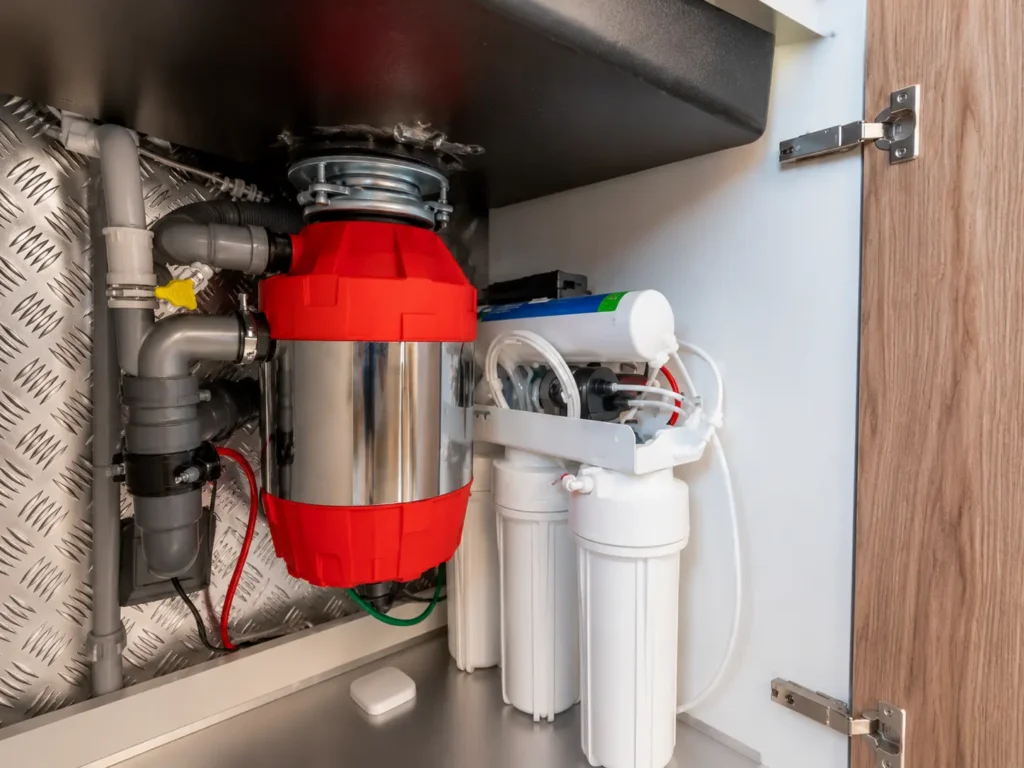
We’ve been repairing and replacing garbage disposals for Prescott homeowners and businesses for years, from simple jams and clogs to full unit replacements. We’re licensed, bonded, and insured, and we’re familiar with every major brand and model. Whether it’s a residential kitchen or a commercial property, we get the job done right without disrupting your routine any longer than necessary. Every job comes with upfront pricing and a 100% satisfaction guarantee.
Our Process
- Describe the Problem Tell us what the disposal is doing? Humming, leaking and not turning on. We’ll have a good idea of the issue before we even arrive.
- Same-Day Visit We schedule a time that works for you, with same-day availability for urgent kitchen issues.
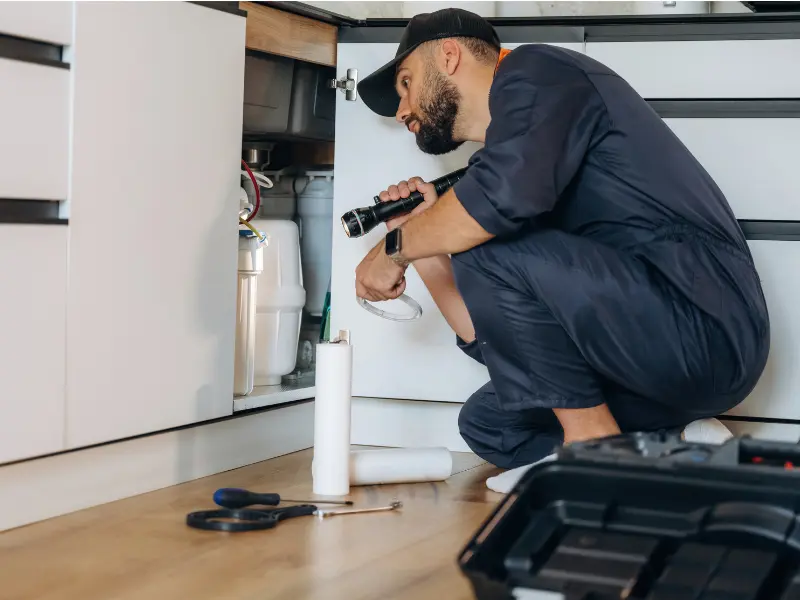
- On-Site Diagnosis & Free Estimate We inspect the unit, identify the exact problem, and give you a clear price upfront repair or replacement, your call.
- We Fix or Replace It Once you approve, we get to work, repairing the existing unit or installing a new one, including electrical and drain line connections.
- We Test Before We Leave We run the disposal, check for leaks, and make sure everything’s working properly before we pack up.
Signs Your Garbage Disposal Needs Repair
- Humming sound but no grinding the motor is running, but something is jamming the blades or impeller.
- Reset button keeps tripping usually points to an overload or electrical issue.
- Leaking under the sink could be a loose connection or, if the unit body is cracked, a sign replacement is needed.
- Bad smell from the drain trapped food waste that isn’t being fully ground or flushed through.
- Clogs backing up into the sink a blockage in the disposal or the drain line behind it.
- Won’t turn on at all, even after resetting points to a motor, electrical, or wiring failure.
- Unusually loud or rattling noise often means something’s caught in the blades that shouldn’t be there, which can damage the impeller or motor if ignored.
How to Maintain Your Garbage Disposal?
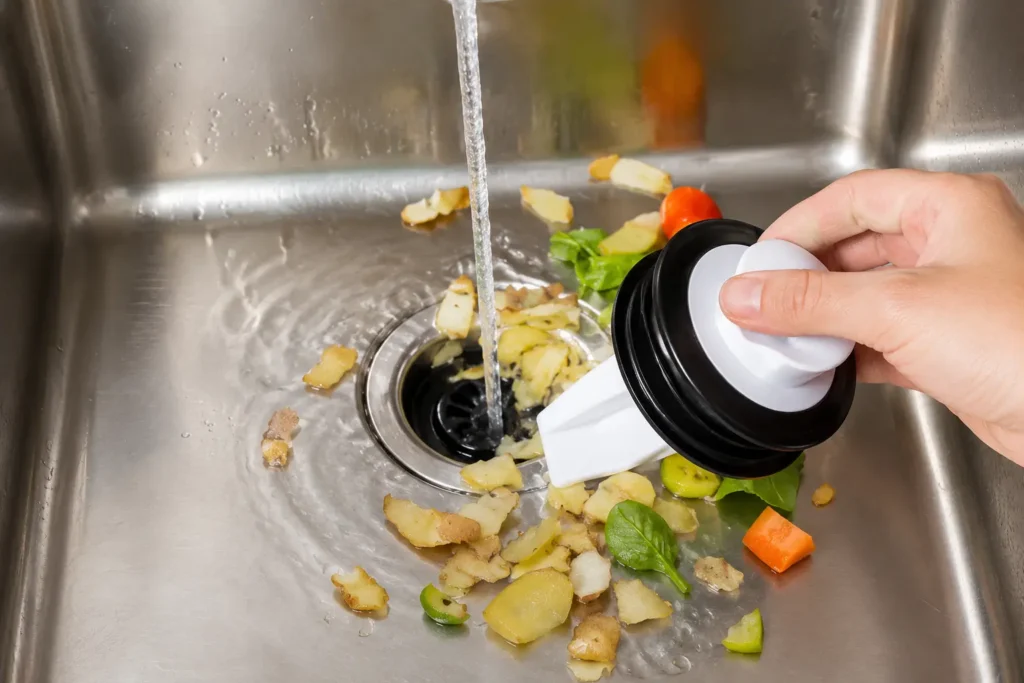
- Always use cold water, Run cold water before turning on the disposal, keep it running while grinding, and let it flow for 15–30 seconds afterward. Cold water keeps grease and fats solid so they can be chopped up and flushed away instead of sticking inside your pipes.
- Feed food scraps gradually, Add small amounts of food while the disposal is running. Overloading the unit can cause jams, reduce grinding performance, and put extra strain on the motor.
- Use your disposal regularly Even if you don’t use it every day, run it with cold water for about 30 seconds once a week. This helps prevent rust, corrosion, and internal parts from sticking.
- Grind ice cubes occasionally Toss in a handful of ice cubes every few weeks to help remove food buildup from the grinding chamber and keep the impellers clean.
- Freshen it with citrus peels, Grind a few lemon, lime, or orange peels to naturally eliminate odors and leave your kitchen smelling fresh.
- Clean with baking soda and vinegar, Pour ½ cup of baking soda followed by 1 cup of white vinegar into the disposal. Let it fizz for 5–10 minutes, then rinse thoroughly with hot water to help remove residue and odors.
- Clean the rubber splash guard, Food particles often collect underneath the rubber baffle. Scrub it regularly with dish soap and an old toothbrush to prevent unpleasant smells.
- Check the reset button first If the disposal suddenly stops working, the overload protector may have tripped. Press the red reset button on the bottom of the unit before scheduling a repair.
What You Can and Can’t Put Down Your Garbage Disposal?
Safe to Grind
- Soft fruits and vegetables
- Small amounts of leftover food
- Citrus peels actually help clean and deodorize the unit
- Ice cubes help clean the blades
- Most cooked foods in small amounts
Avoid Grinding
- Grease, fats, and cooking oils, they solidify in the drain line and cause clogs.
- Fibrous vegetables like celery stalks, corn husks, onion skins, and asparagus, fibers wrap around the impeller.
- Starchy foods like potato peels, rice, and pasta. Expand and create thick clogs.
- Eggshells and coffee grounds, accumulate and build up in drain pipes over time.
- Bones and fruit pits, too hard for most disposal motors to handle.
- Non-food items, plastic, wrappers, twist ties, and anything that isn’t food.